Do I Need a Permit for a Retaining Wall in Madison? The Short Answer
If you are planning a retaining wall in Madison, the first question is usually about paperwork. The short answer is that it depends on the wall's height, location, and how it handles water and soil. Most homeowners are surprised to learn that even a modest wall can trigger a permit requirement, especially if it holds back a significant amount of earth or sits near a property line or slope.
In general, walls under a certain height (often around 4 feet) may be exempt from a building permit, but that exemption is not automatic. Local rules can vary based on zoning, floodplain status, and whether the wall is considered a structure. A 4 foot retaining wall permit is sometimes required when the wall supports a driveway, sits on a slope, or acts as a guardrail. Before you dig, it is smart to verify the current threshold with the city or a qualified contractor who works in Madison every week.
Retaining Wall Height Limit and the 4-Foot Rule Explained
The phrase 4 foot retaining wall permit gets searched a lot because 4 feet is a common dividing line in building codes. Many jurisdictions treat walls 4 feet and under as minor structures that do not need a full building permit, while walls over 4 feet require engineered plans, inspections, and a permit. However, the retaining wall height limit is measured differently depending on the code: some measure from the bottom of the footing, others from finished grade, and some count the exposed face on the downhill side.
There is another catch. A wall that is 3 feet tall but holds back a steep slope or supports a structure above may still need a permit because of the risk of failure. In Madison, the combination of clay soils, freeze-thaw cycles, and seasonal moisture makes proper drainage and footing design critical. If your wall is close to 4 feet or you are stacking terraces, treat the permit question seriously. A professional assessment can save you from fines, forced removal, or a wall that leans after the first spring thaw.
When a Permit Is Usually Required for Retaining Walls
Beyond height, several conditions almost always push a project into permit territory. Walls that retain soil for a driveway or parking area, walls located in a floodplain or shoreland zone, and walls that act as a barrier near a property line typically require review. If the wall is part of a larger grading plan or changes stormwater flow, the city may want to see drainage calculations and a site plan.
Homeowners in Middleton and Fitchburg face similar rules, and each municipality administers its own permitting process. That is why a one-size-fits-all answer is risky. The safest path is to confirm requirements before ordering materials. If you are unsure, a free estimate from a local installer can include a permit review and help you understand whether your project needs approval.
Retaining Wall Installation Near Me: When to Call a Pro
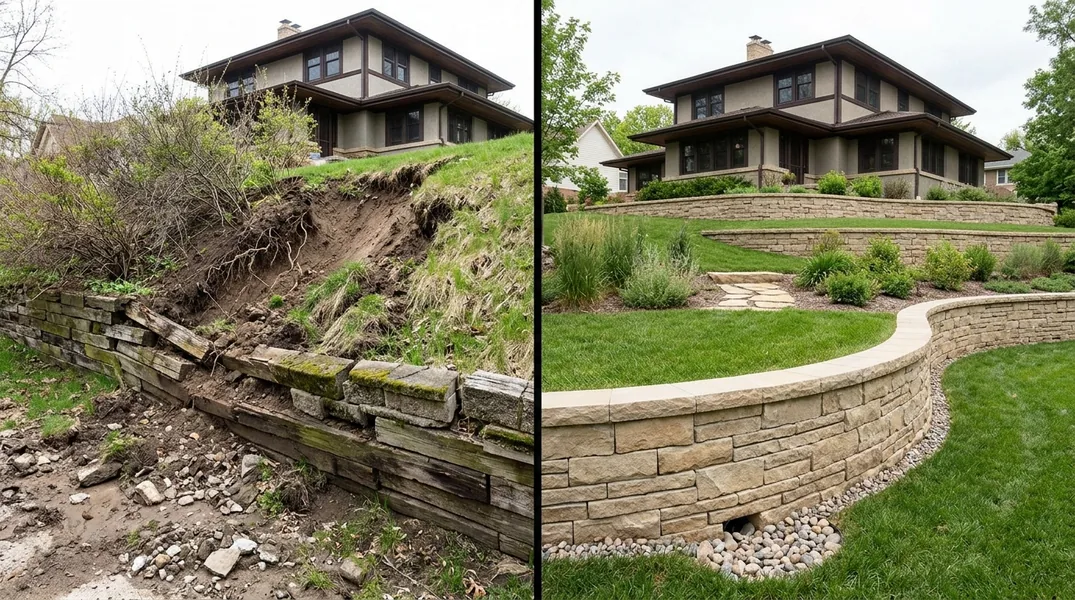
Some homeowners consider building a small garden wall themselves, and that can be reasonable for a low, decorative border. But when a wall is holding back earth, supporting a load, or sitting on a slope, the stakes change. Improper Retaining Wall Installation can lead to settlement, poor drainage, and expensive Retaining Wall Repair down the road. A professional crew knows how to size the footing, install proper backfill and drainage, and build to the dimensions that keep you compliant.
If you are searching for retaining wall installation near me in the Madison area, look for a contractor who is familiar with local permit thresholds and inspection requirements. A good installer will also discuss whether Concrete Retaining Walls or segmental block systems make more sense for your site. For older walls that are failing, Retaining Wall Replacement may be more cost effective than repeated patches. Call Madison Retaining Wall at (608) 910-8974 to talk through your project and get clear next steps.
Retaining Wall Installation Cost in Madison: What to Budget
Permit fees are only one line item in the overall budget, but they matter. The total cost of a retaining wall depends on height, length, materials, site access, soil conditions, and drainage work. A short wall under 4 feet is usually less expensive per square foot than a taller engineered wall that requires a permit, inspections, and possibly a structural design. Homeowners in Sun Prairie and across Dane County should expect pricing to reflect local labor rates and the cost of hauling materials.
It is helpful to ask for a written scope that separates permit fees, excavation, drainage, and finishing work. That way you can compare apples to apples. For a realistic look at current pricing, request a free estimate and share your wall's approximate height and length. A reputable contractor will also flag whether your project is likely to need a permit before work begins, which prevents surprises later.
Next Steps for a Safe, Compliant Retaining Wall
Before you build, confirm the permit rules for your specific address, measure your wall accurately, and plan for drainage. Keep in mind that the 4-foot threshold is a guideline, not a guarantee, and that local review may be required for slopes, floodplains, and property line walls. When in doubt, ask a professional who works in Madison regularly and knows how the city interprets retaining wall height and permit requirements.
Madison Retaining Wall is a local company serving Madison and nearby communities. If you want help determining whether your project needs a permit or you are ready to schedule installation, call (608) 910-8974 or request a free estimate online. A short conversation can clarify your options and keep your project on solid ground.
Looking for a professional retaining wall contractor in Madison? Madison Retaining Wall responds fast for all your retaining wall needs.
Get a Free QuoteOur services: Retaining Wall Installation · Retaining Wall Repair · Retaining Wall Replacement